Styling Inspiration 9 min read January 20, 2026

Newborn Photography Color Coordination Guide for Calm, Cohesive Sessions

Build newborn photography color palettes that feel soft, intentional, and easy to repeat. Use this guide to match wraps, outfits, backdrops, and props without making the setup too busy.

The fastest way to make a newborn setup look expensive is not adding more props. It is choosing fewer colors and repeating them carefully.

When photographers ask me why one setup feels calm and another feels noisy, color is usually the first thing I check. A cream wrap, dusty rose outfit, pink floral headband, mauve blanket, and peach backdrop may sound close. In the camera, they can become five different pinks fighting around the baby’s face.

Good newborn photography color coordination starts before the baby is placed. It starts with a small palette, one clear hero, and props that know their job.

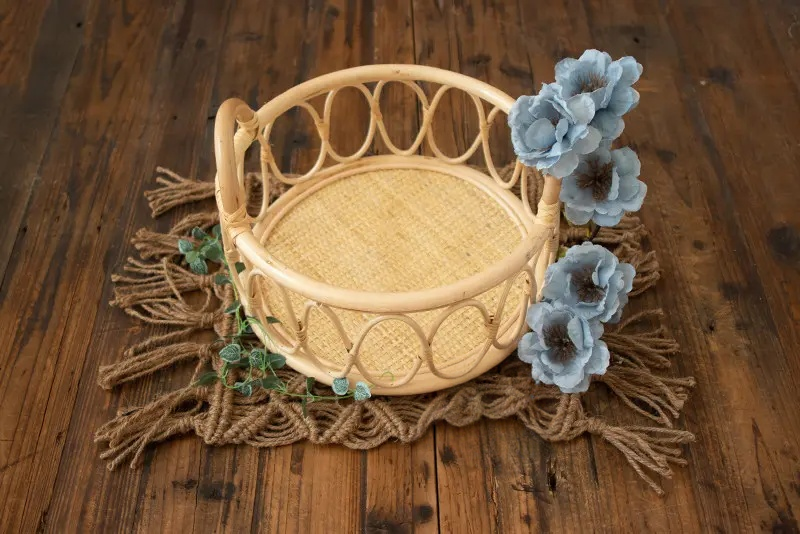
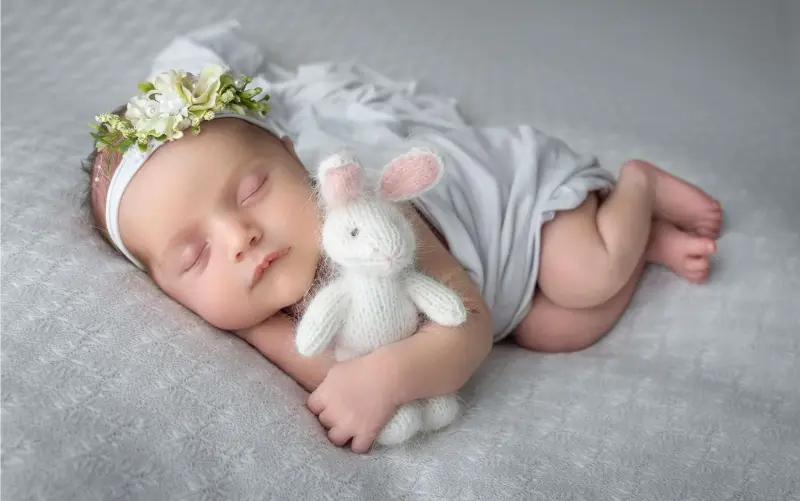
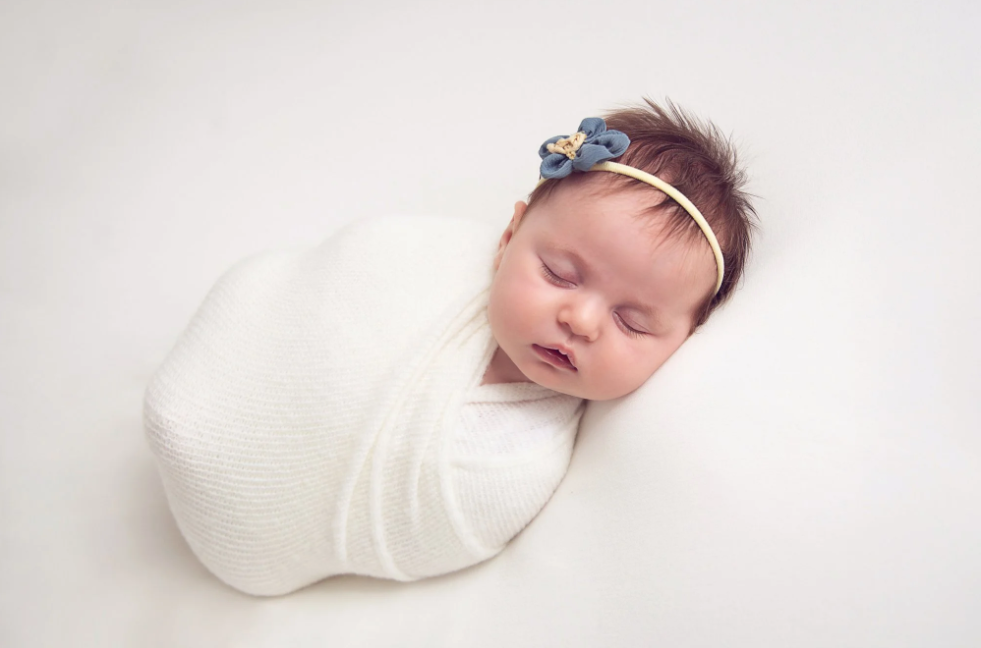
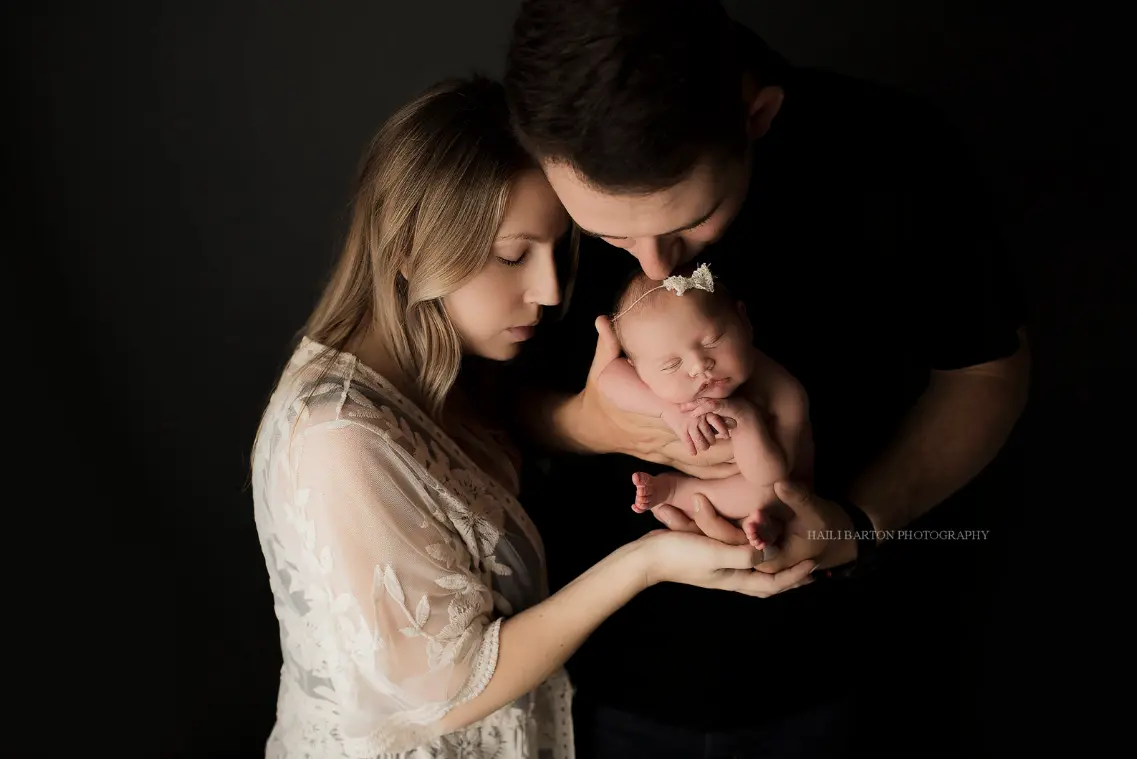
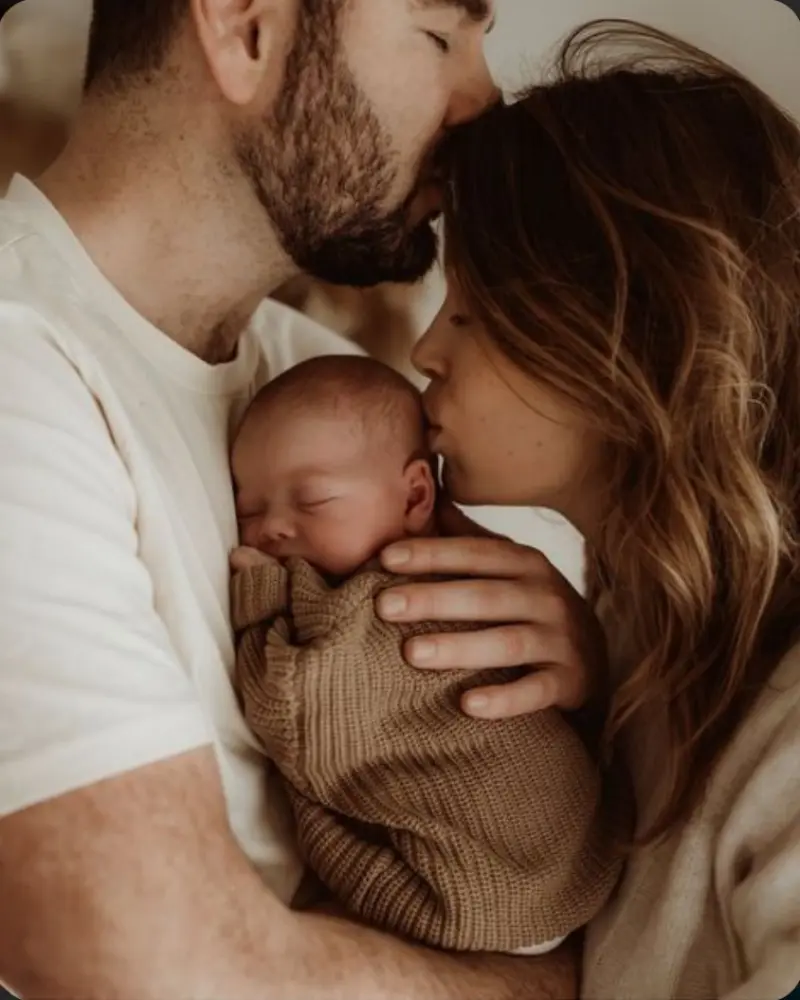
Color coordination planning setup for newborn photography props and soft session styling - Dvotinst

Start With a Three-Color Palette

For most newborn sessions, three colors are enough.

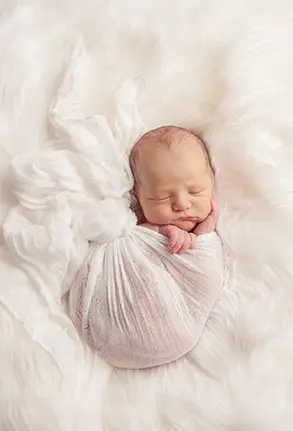
The first color is your base. This is usually the blanket, beanbag fabric, flokati, bowl liner, or backdrop. Cream, ivory, oatmeal, warm gray, taupe, and soft brown are the easiest bases because they do not steal attention from the baby.

The second color is your hero. This may be the wrap, outfit, bonnet, headband, or theme piece. Dusty rose, sage, blue gray, lavender, rust, and muted mustard all work well when they are not too bright.

The third color is your accent. Use it lightly. It can be a small floral detail, a pillow, a textured layer, a basket tone, or one small decor piece.

If you are using newborn wraps and blankets, choose the wrap color first, then pick a base that sits behind it quietly. If you are using a detailed outfit from the newborn outfit props collection, let the outfit become the hero and keep the wrap or blanket simple.

Match Temperature Before You Match Exact Color

Color matching does not mean everything needs to be the same color. Actually, that can look flat.

What matters more is temperature.

Warm colors have yellow, peach, rust, caramel, or cream in them. Cool colors have blue, lavender, mint, silver, or gray in them. A warm cream backdrop usually looks better with dusty rose, terracotta, sage, honey, or natural wood. A cool gray backdrop usually works better with lavender, blue gray, pale mint, white, or silver.

The mistake I see most often is mixing a warm hero prop with a cool background. For example, a peach outfit on a blue gray blanket can work if the style is intentional, but it often makes the baby’s skin look a little dull. If the baby’s skin is already warm and pink, a warmer neutral usually photographs softer.

Build Around the Baby’s Face

In newborn photography, the face is always the center. Color near the cheeks matters more than color at the edge of the frame.

Keep the strongest contrast away from the jawline unless you want a very dramatic image. A dark bonnet on a pale baby can be beautiful, but it needs a calm base and careful lighting. Bright florals close to the face can pull the viewer away from the expression. Large patterned props near the head usually age faster than simple textures.

For close portraits, I like these face-friendly combinations:

Baby’s FeaturesSafer Color DirectionWhat to Avoid
Very fair skinIvory, oatmeal, dusty pink, soft sageStrong white with harsh contrast
Warm pink skinCream, taupe, peach, muted rustCool gray placed too close to cheeks
Dark hairCream, pale blue, sage, soft brownVery dark hats with no light around the face
Red hairSage, ivory, warm beige, soft greenOrange props that compete with the hair

This is also why small accessories work better than loud ones. A soft bonnet, a thin headband, or one textured wrap can finish the portrait without taking over.

Use Color to Choose the Session Mood

Before choosing props, decide what the final gallery should feel like. A color palette is not only decoration. It tells parents what kind of memory they are buying.

Soft and Airy

Use ivory, white, pale pink, light gray, buttercream, and very soft blue. This style works well for simple wrapped poses, parent albums, and clean studio galleries.

Pair it with smooth blankets, light lace, pale wood, and delicate newborn posing props. Keep texture fine, not heavy.

Warm and Natural

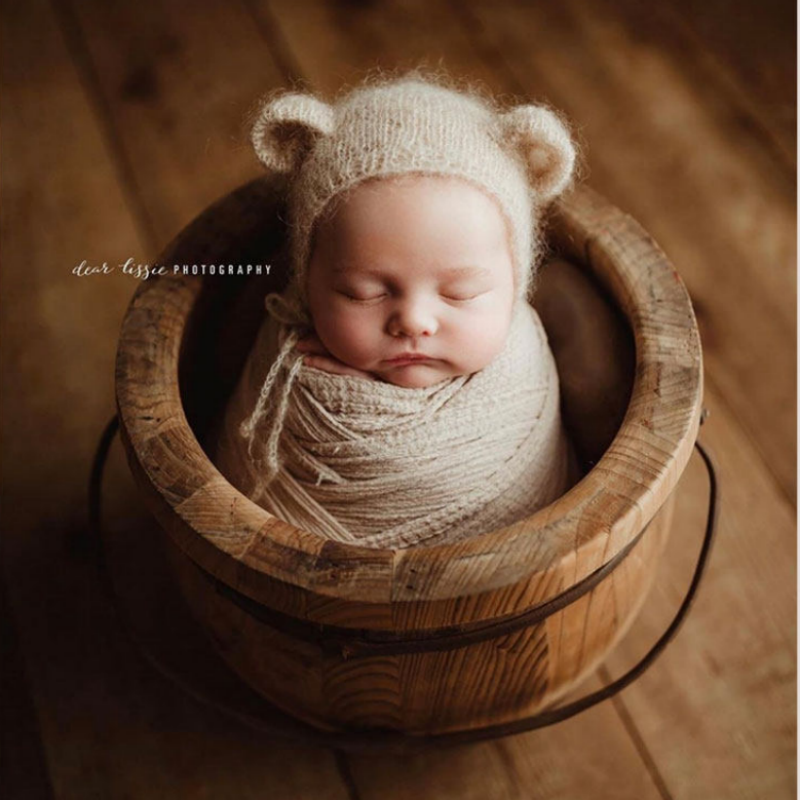
Use oatmeal, cream, tan, clay, sage, olive, and natural wood. This palette feels organic and works well for photographers who shoot with baskets, bowls, beds, and woven layers.

It is also forgiving across many skin tones. If you are building your first studio prop shelf, warm neutrals are the colors you will use again and again.

Sweet Girl Session

Use dusty rose, mauve, blush, ivory, champagne, and soft floral accents. The trick is choosing one pink family, not every pink you own.

If the outfit is pink, make the base cream or beige. If the backdrop is pink, choose a cream wrap. Too much pink can flatten the image.

Calm Boy Session

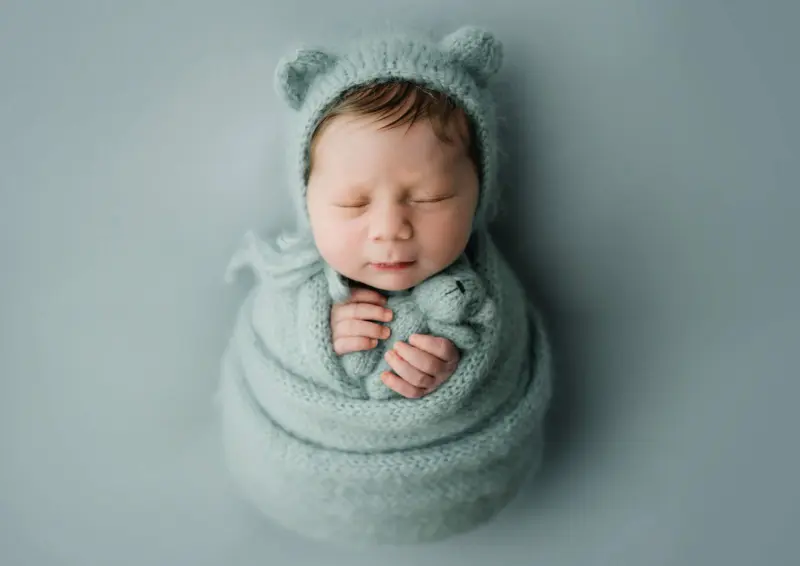
Use blue gray, cream, slate, oatmeal, sage, and soft brown. Blue photographs better when it is muted. Very bright royal blue can feel hard against newborn skin.

For a gentle boy setup, I like a blue gray wrap on a cream layer, with a small wood or knit accent. That gives enough color without making the baby look cold.

Seasonal or Themed Session

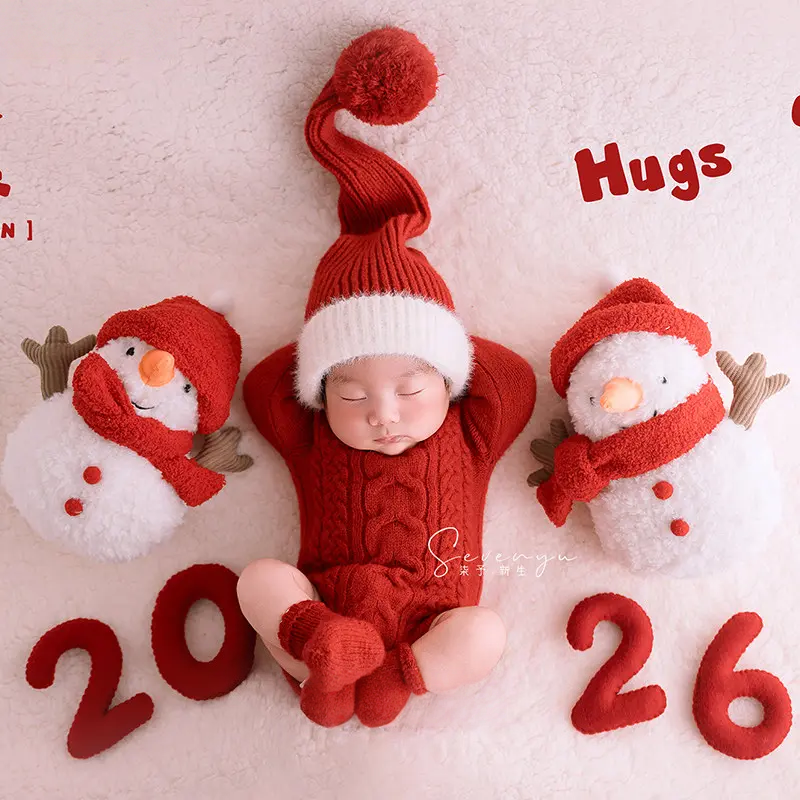
Themes need the most restraint. A pumpkin outfit already says autumn. A basketball set already says sport. A bear set already says cute animal. The colors around the theme should support the idea, not explain it five more times.

When using newborn theme sets, pull one color from the set and repeat it once in the base or accent. Then stop.

Color Formulas You Can Reuse

You do not need a new palette for every booking. Repeating strong formulas makes your studio faster and your portfolio more consistent.

Palette FormulaBest ForProp Direction
Ivory + dusty rose + champagneClassic girl portraitsLace outfit, pearl headband, soft blanket
Cream + sage + natural woodOrganic neutral sessionsWrap, wooden bowl, textured layer
Oatmeal + rust + soft brownAutumn mini sessionsKnit outfit, basket, warm blanket
White + blue gray + silverClean boy portraitsWrap, bonnet, simple posing fabric
Taupe + lavender + ivoryGentle spring sessionsFloral accent, light wrap, smooth base
Cream + blush + muted goldElegant milestone-style newborn setupsSmall headband, satin detail, soft backdrop

Color coordination and prop restraint usually solve the same problem.

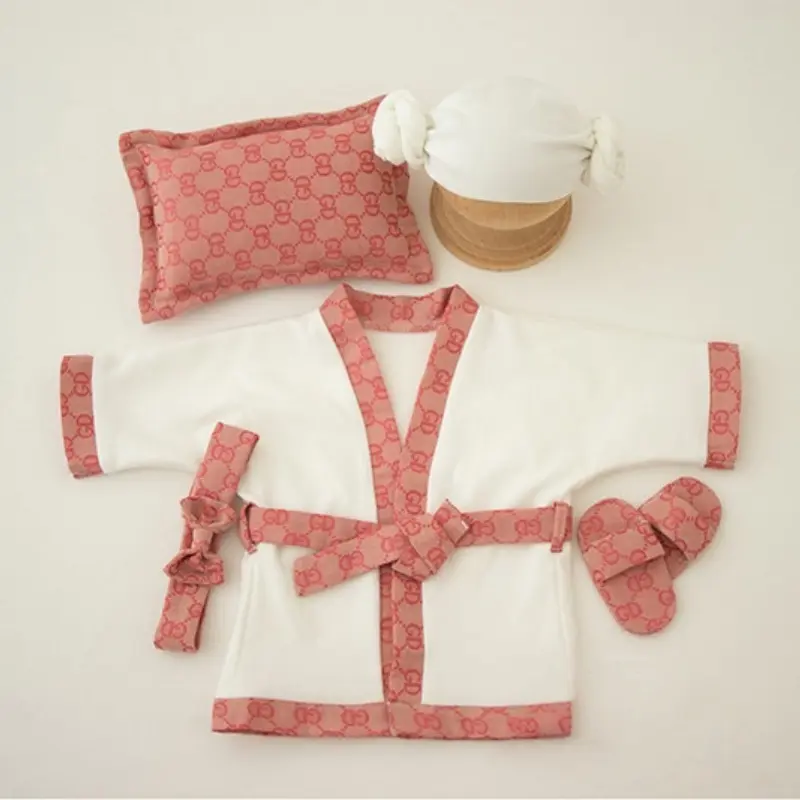
Harmonious newborn photography color palette with layered textures and coordinated props - Dvotinst

Check Texture With Color

Two colors can match and still look wrong if the textures disagree.

Lace, pearls, and silkier fabrics feel dressy. They work with smooth blankets, soft florals, and delicate headbands. Chunky knit, faux fur, wood, and woven baskets feel warmer and more natural. They work with earthy colors and simpler outfits.

I usually check texture before adding another color. If the setup already has lace, knit, wood, and flowers, I do not add one more color to make it interesting. I remove one texture first.

This is especially important for small-screen marketing. Parents often first see your work as a tiny image on Instagram, Google, or a booking page. If the texture and color are both busy, the baby disappears.

Ask Better Client Questions

Parents often say they want “pink,” “blue,” or “neutral.” That is not enough information for a polished session.

Ask questions that help you build a real palette:

  1. Is the nursery warm, cool, or white?
  2. Do you prefer soft colors or deeper colors?
  3. Are there colors you do not want near the baby?
  4. Do you want the gallery to feel classic, earthy, floral, seasonal, or playful?
  5. Where will the photos be displayed?

That last question matters. If the photos are going into a beige living room, a neon green setup may not sell well even if the parents liked it in theory. If the nursery has sage walls and cream furniture, a sage and ivory newborn session will feel made for them.

Common Color Mistakes

The first mistake is using too many almost-matching colors. Three different creams can look accidental if one is yellow, one is gray, and one is pink.

The second mistake is choosing props under bad lighting. Studio bulbs, window light, and camera white balance can change color more than people expect. If possible, check wraps and outfits in the light you actually shoot with.

The third mistake is making every prop important. A color palette needs quiet pieces. Not every layer should have contrast, pattern, or shine.

The fourth mistake is ignoring the final crop. A color that looks small in the full setup may become loud in a close crop. Check the frame, not only the prop table.

A Simple Workflow Before the Session

Lay out the base, hero prop, and accent before the family arrives. Take one phone photo from above. If one color jumps out too much, replace it before the baby is settled.

Then remove one item and look again.

This small step saves time because you are making styling decisions without pressure. It also helps you create repeatable looks for mini sessions, seasonal promotions, and product-led galleries.

FAQ: Newborn Photography Color Coordination

What colors photograph best for newborn sessions?

Cream, ivory, oatmeal, taupe, dusty rose, sage, blue gray, lavender, and soft brown are reliable choices. They are gentle near newborn skin and easy to match with wraps, outfits, and posing props.

Should newborn props match the nursery?

They do not need to match exactly, but they should feel related if parents plan to hang the photos at home. Use the nursery colors as a starting point, then soften them for photography.

How many colors should I use in one newborn setup?

Use two or three main colors. One base, one hero color, and one small accent is usually enough. More than that can make the baby less noticeable.

Are bright colors bad for newborn photography?

Bright colors can work for playful themes, but use them carefully. Keep strong color away from the face and balance it with neutral wraps, blankets, or backdrops.

What is the easiest palette for a new studio?

Start with cream, oatmeal, sage, dusty rose, blue gray, and natural wood. Those colors work across many babies, seasons, and prop styles.

Final thought: choose the colors before you choose extra props. A calm palette will do more for the photo than one more accessory.

Browse the newborn theme sets or start with wraps and blankets if you want easy pieces to build repeatable color palettes around.

#newborn photography color coordination #newborn photo props #newborn styling #color palette #prop guide
Tira Chan

Written by

Tira Chan

Founder of Dvotinst with 8+ years of experience in newborn photography props. Passionate about helping photographers capture perfect moments.

Chat with us